Our Story · Assam, India
Rooted in Assam.
Carried to the world.
Who we are
We are growers first.
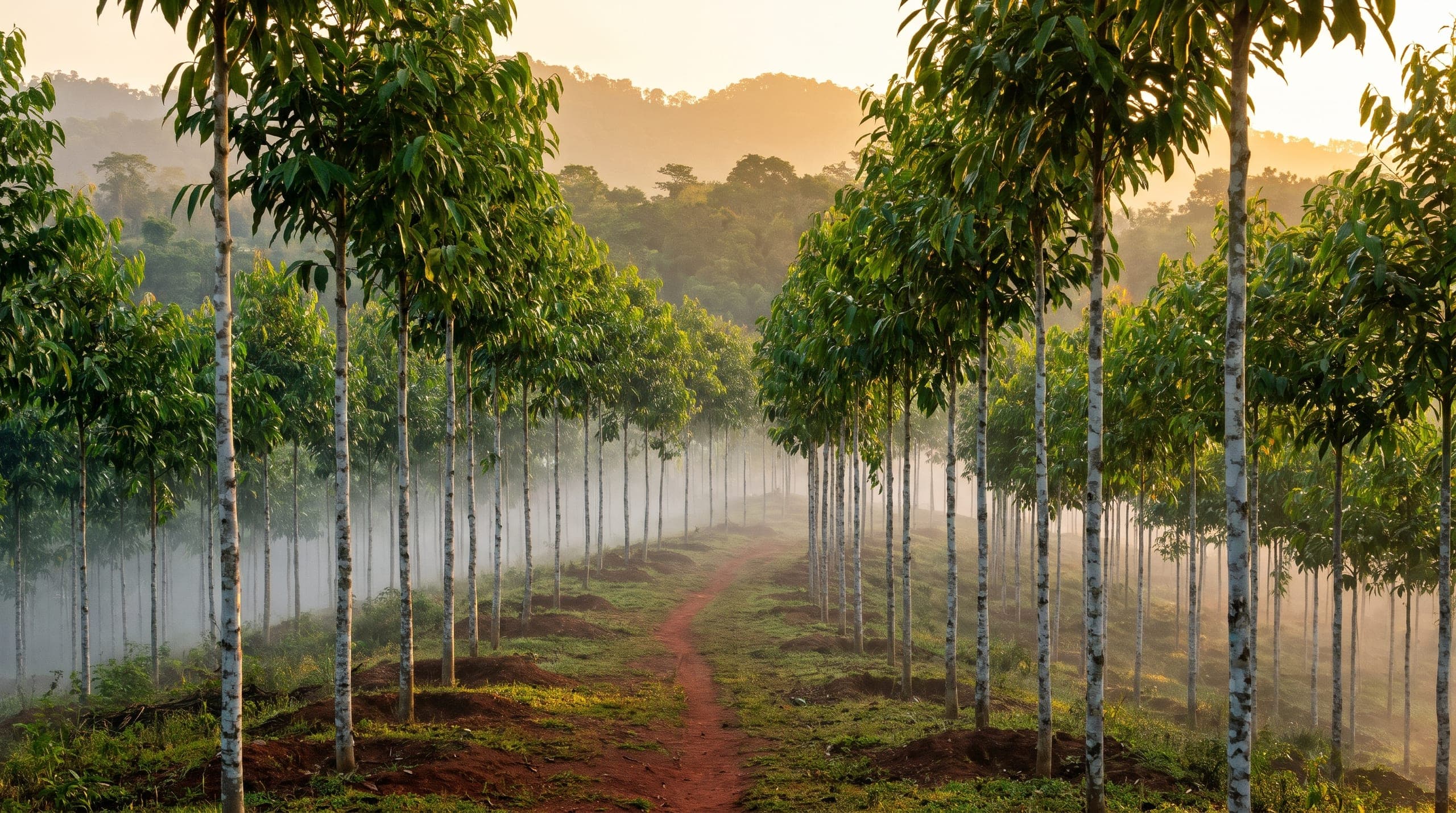
Shahana Kohinoor is an oud house with its roots in the soil of Assam. Our agarwood grows in our own fields; we tend the trees, harvest the resinous heartwood and distil and blend it ourselves.
We draw, too, on Kannauj in Uttar Pradesh — India’s city of perfume, where the art of attar has been practised for centuries. From India we carry our woods and fragrances to the people who value them most — in the Kingdom of Bahrain, the United Arab Emirates, Qatar, Thailand, Singapore, Germany and across Europe, and the United States. Wherever you meet us, it is the same oud, from the same fields, made by the same hands.
Our name holds our promise. Shahana means royal. The Koh-i-Noor, the “Mountain of Light”, is the most storied diamond ever to leave India. Like it, our oud begins in India and is treasured far beyond it.
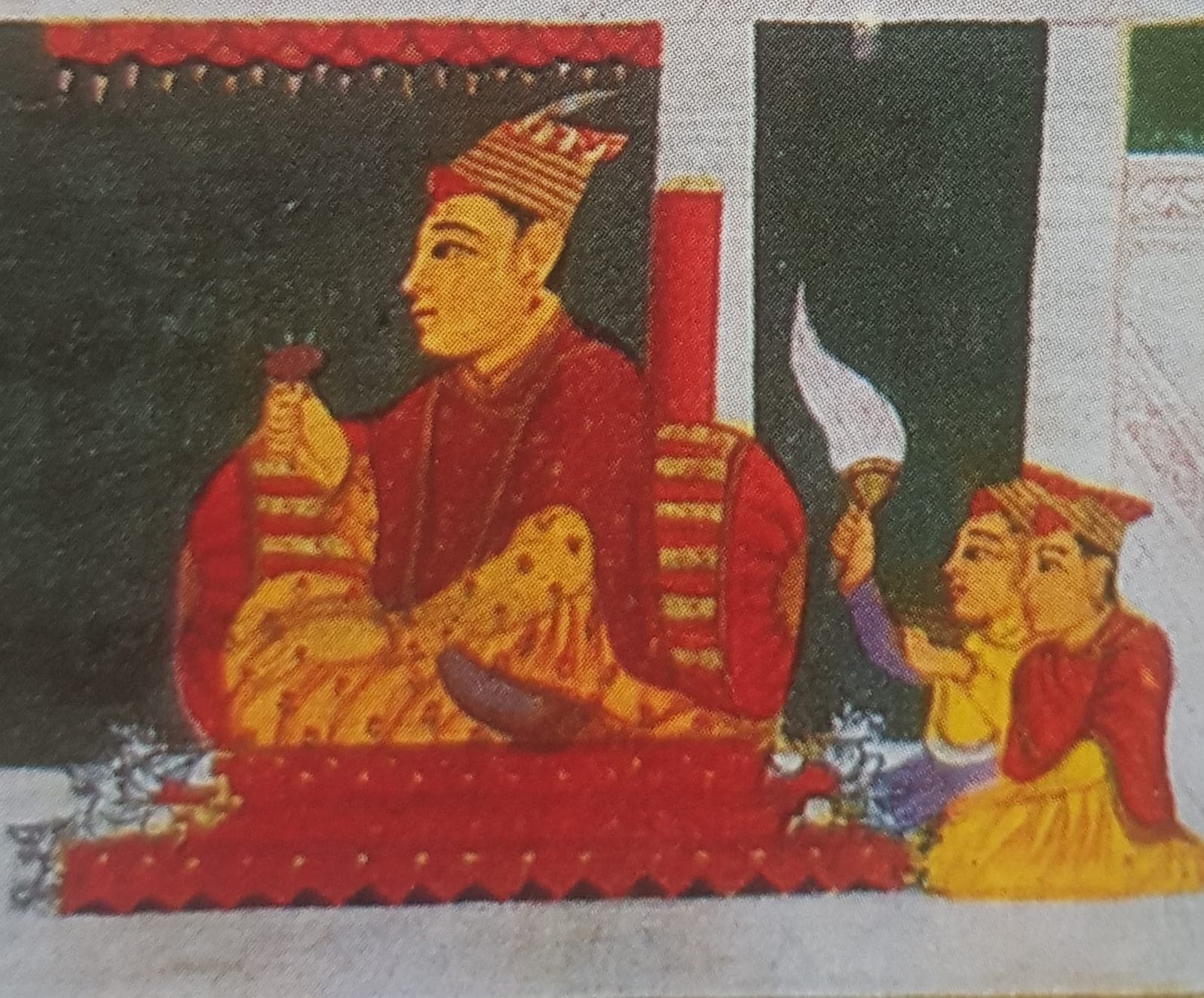
Royalty and oud have always belonged together in Assam. Its kings — the Ahom Swargadeos who ruled the Brahmaputra valley for six centuries — held court among the very forests where agarwood grows, and the bark of the agaru tree, prepared as sanchi-pat, carried the region’s manuscripts and paintings.
How and where it is sourced
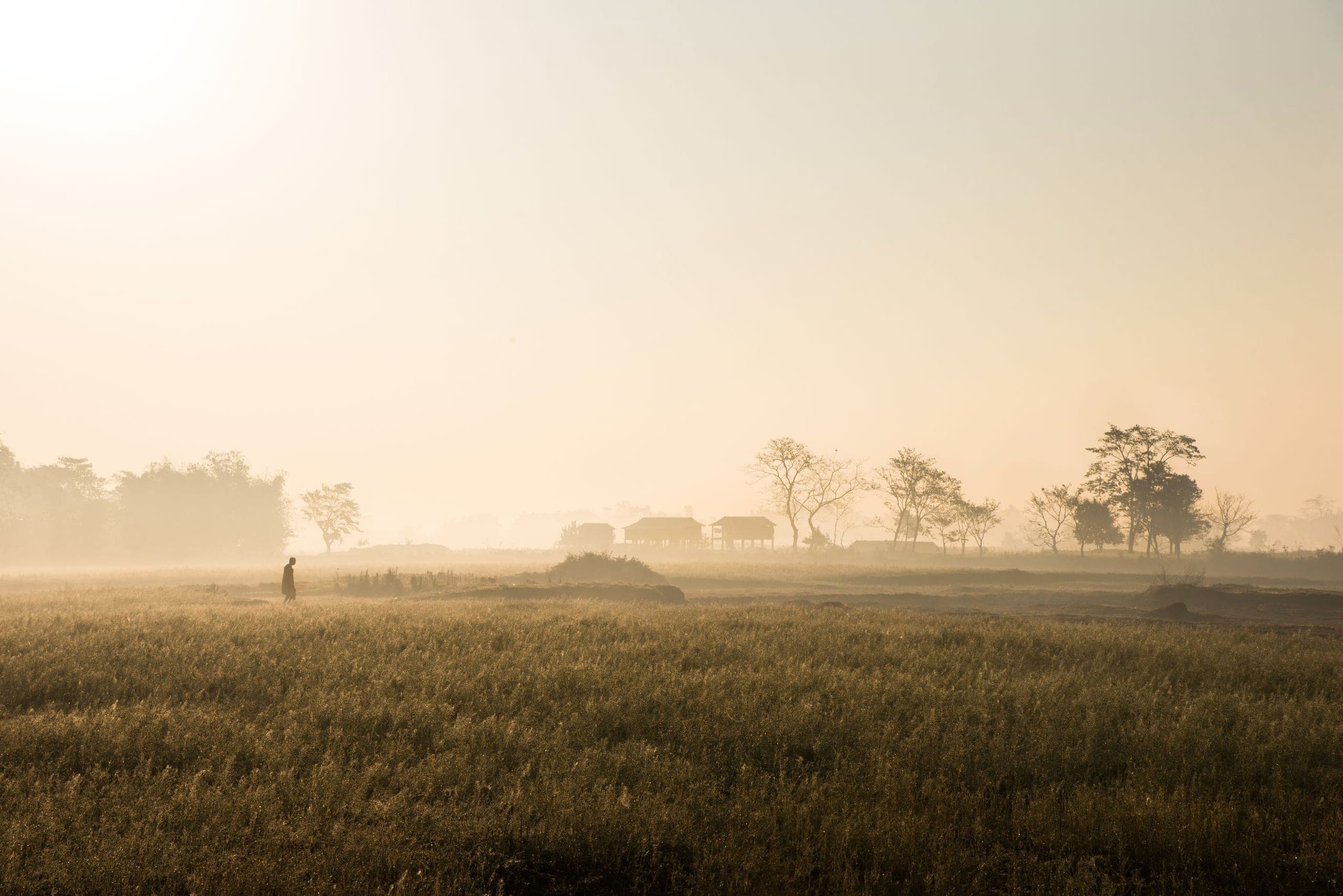
Our fields in Assam.
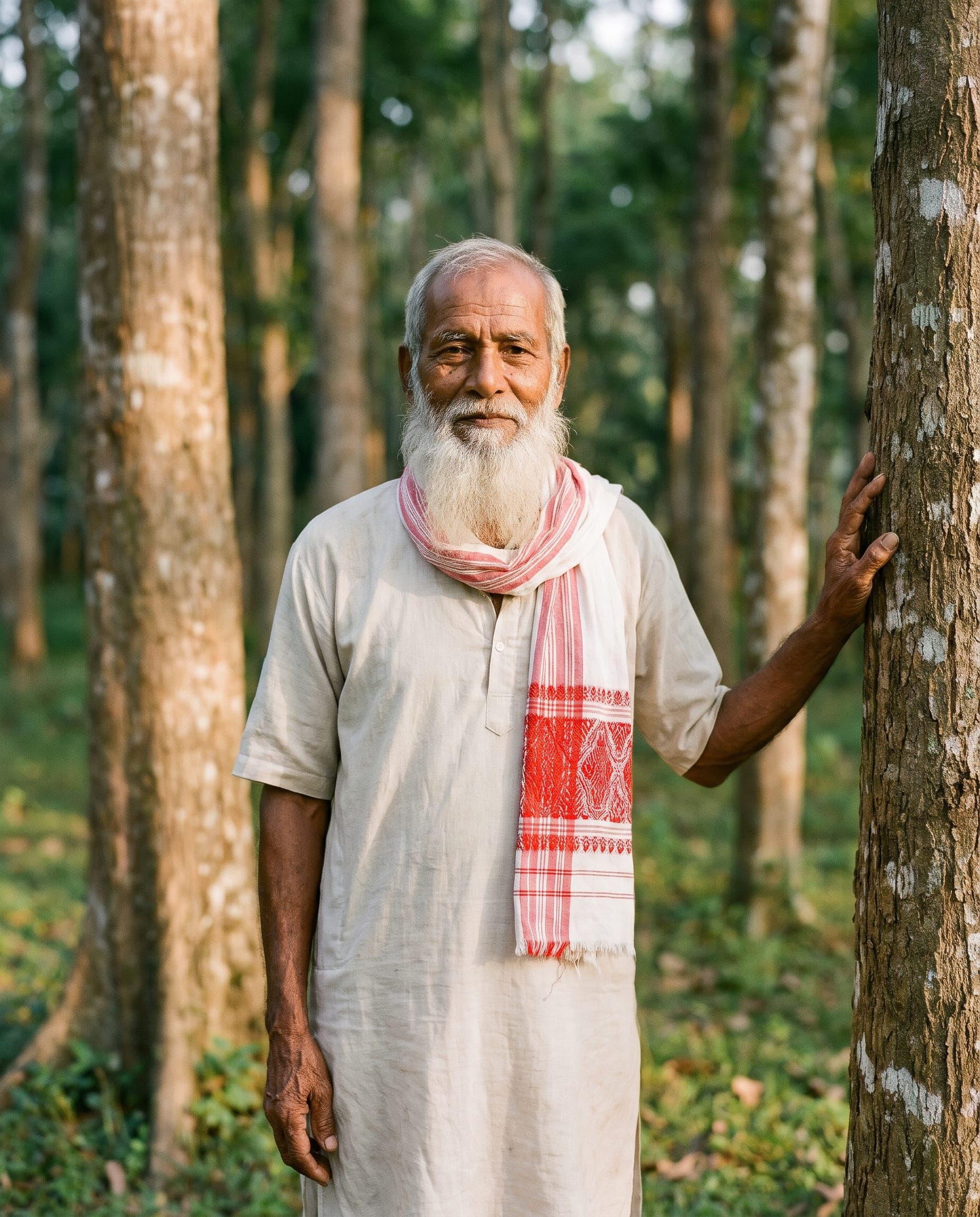
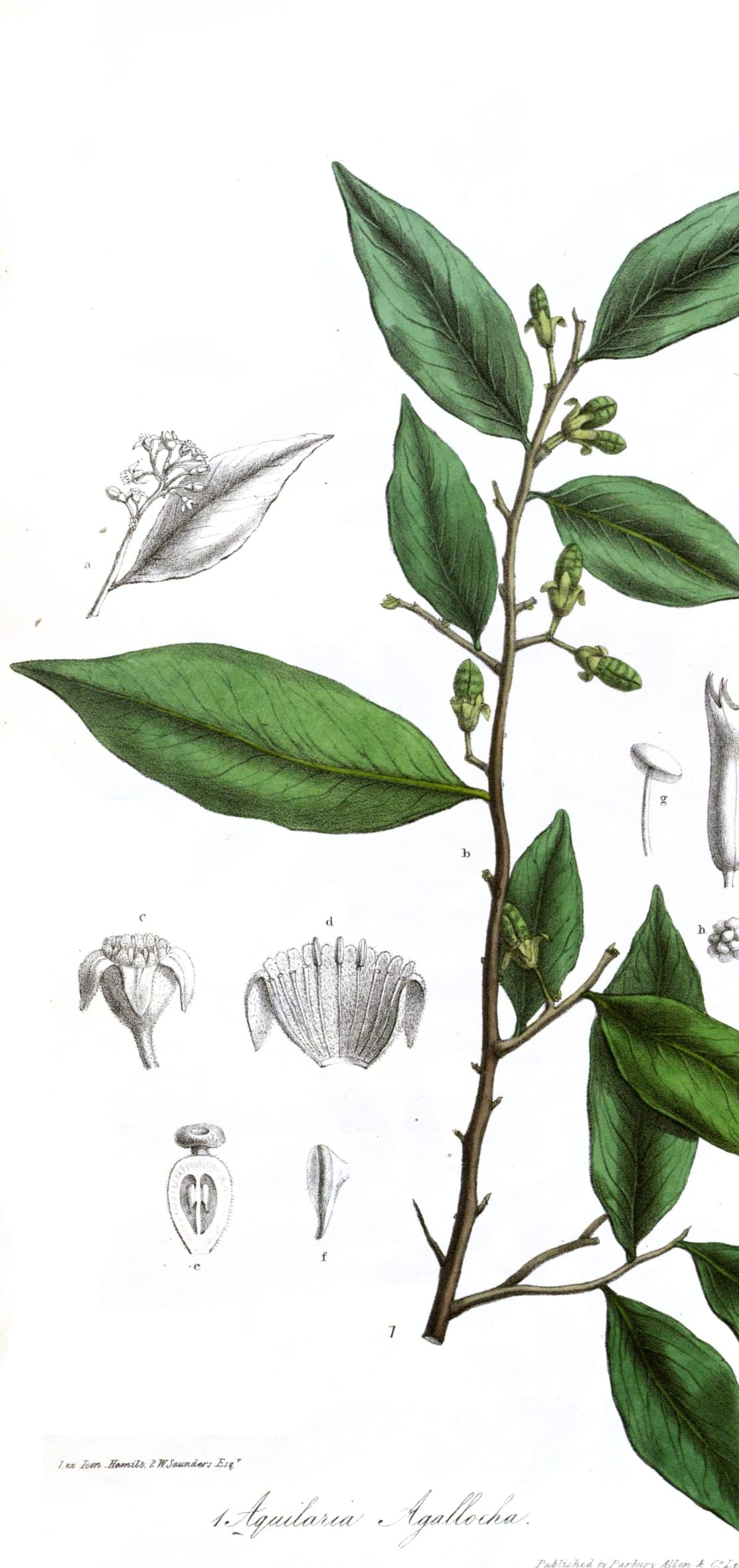
Assam is the native home of Aquilaria malaccensis, the tree that gives Indian oud its depth — the warm, humid Brahmaputra valley suits it as few places on earth do. Our trees grow in our own fields there.
Grown
Aquilaria trees planted and tended in our own fields for many years before any wood is taken.
Harvested
Only mature, resin-rich heartwood is taken, separated from pale wood by hand, chip by chip.
Distilled & blended
The wood is distilled into dehn al oud, or steeped and matured into Bakhoor al Noor — in-house, never bought in.
Recorded
Each harvest becomes a batch with its own number, documents and certificates.
The hands behind it
Nothing about oud can be hurried.
Every chip is pared by hand, every still watched through the night, every drop gathered and poured by people who have spent their lives with this wood.
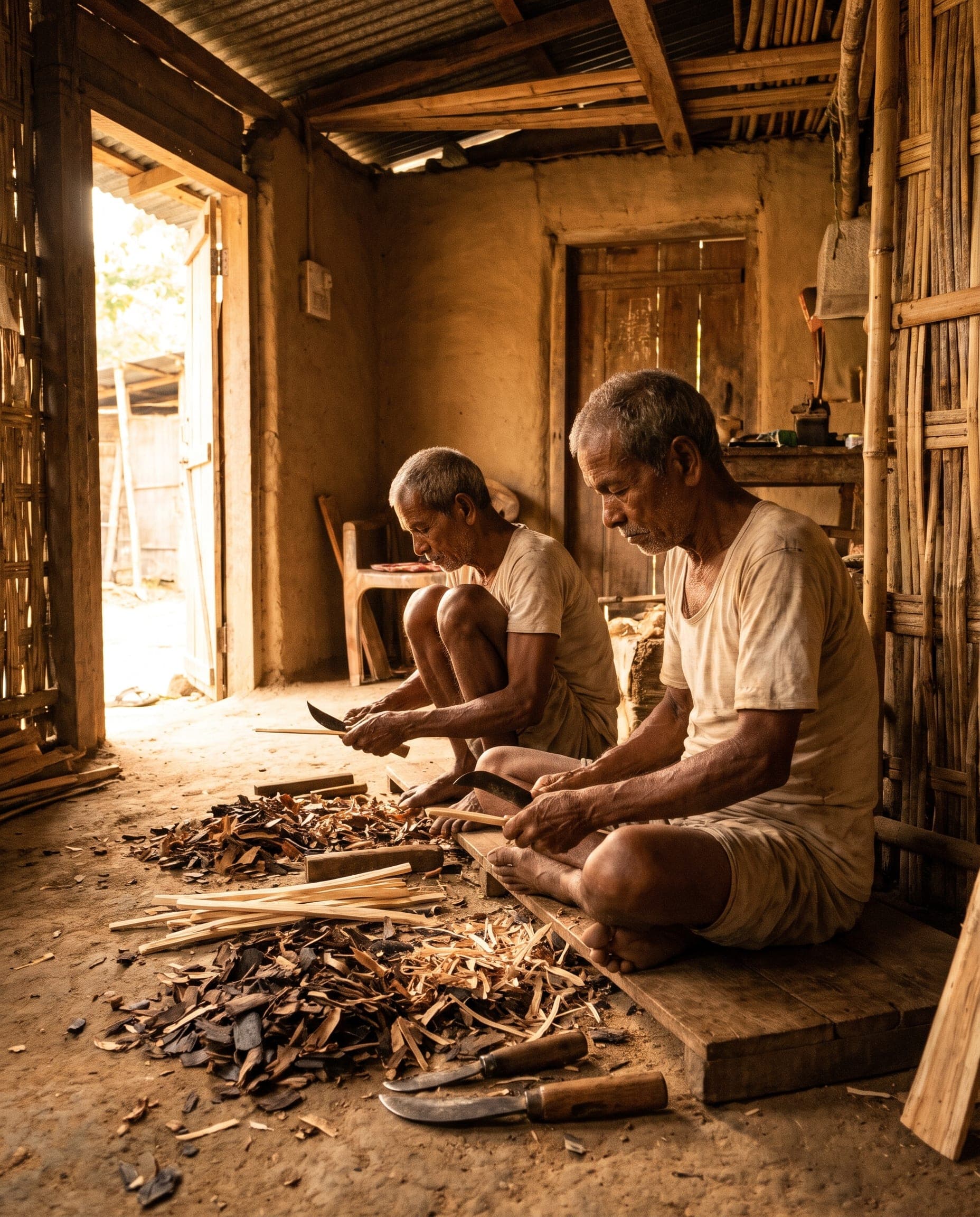
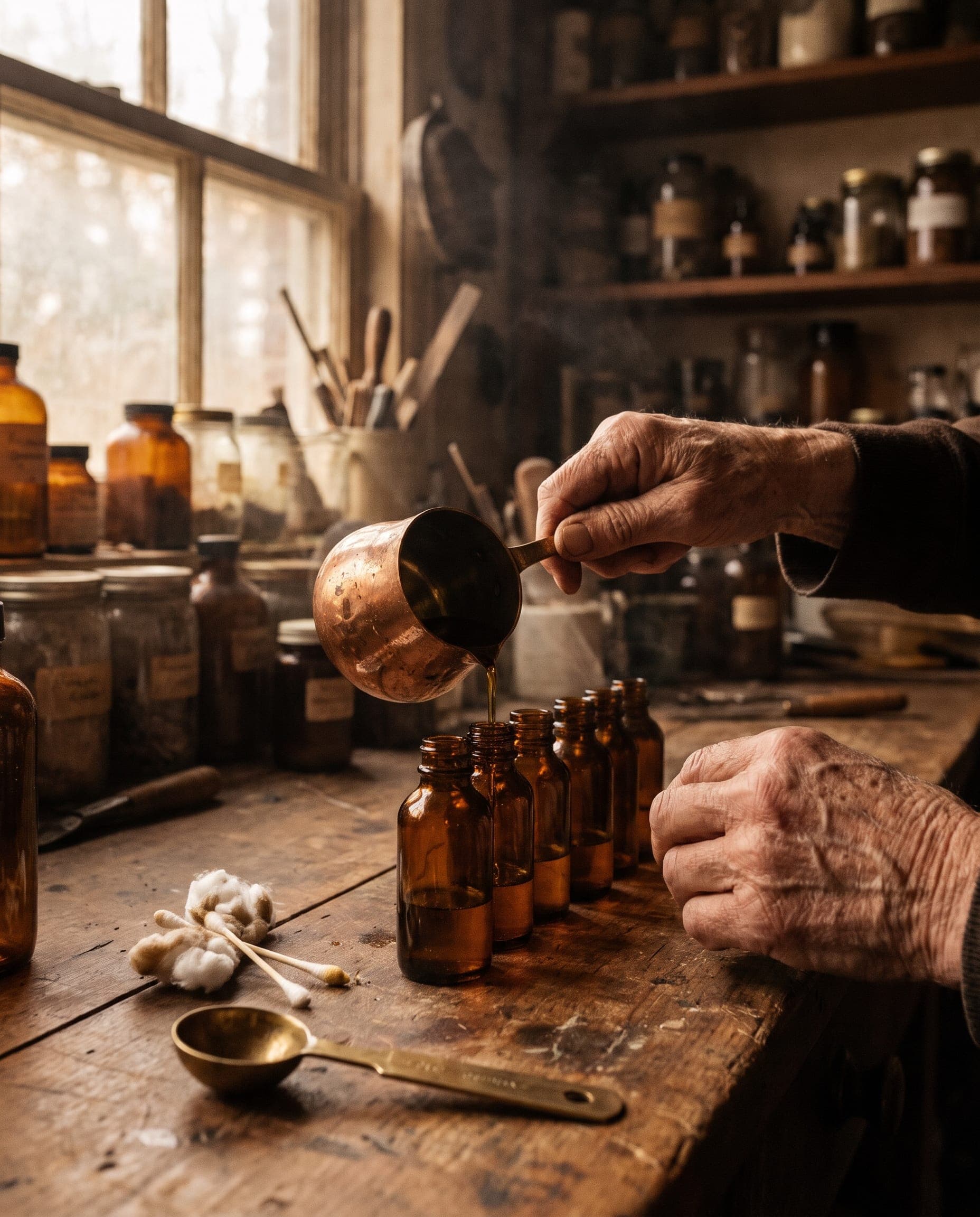
Paring the wood · Pouring the oilAssam & Kannauj
The distillery
Days over a slow fire.
Soaked for weeks, distilled day and night, gathered by hand a spoonful at a time.
The art — Kannauj, Uttar Pradesh
Assam grows the wood. Kannauj keeps the art.
On the banks of the Ganges, Kannauj has been India’s city of perfume for centuries. Our house draws on both of India’s great oud heartlands — the forests that grow it, and the perfumers who know what to do with it.
Copper degs of an attar distillery
The perfume capital of India
An art kept alive in copper and bamboo.
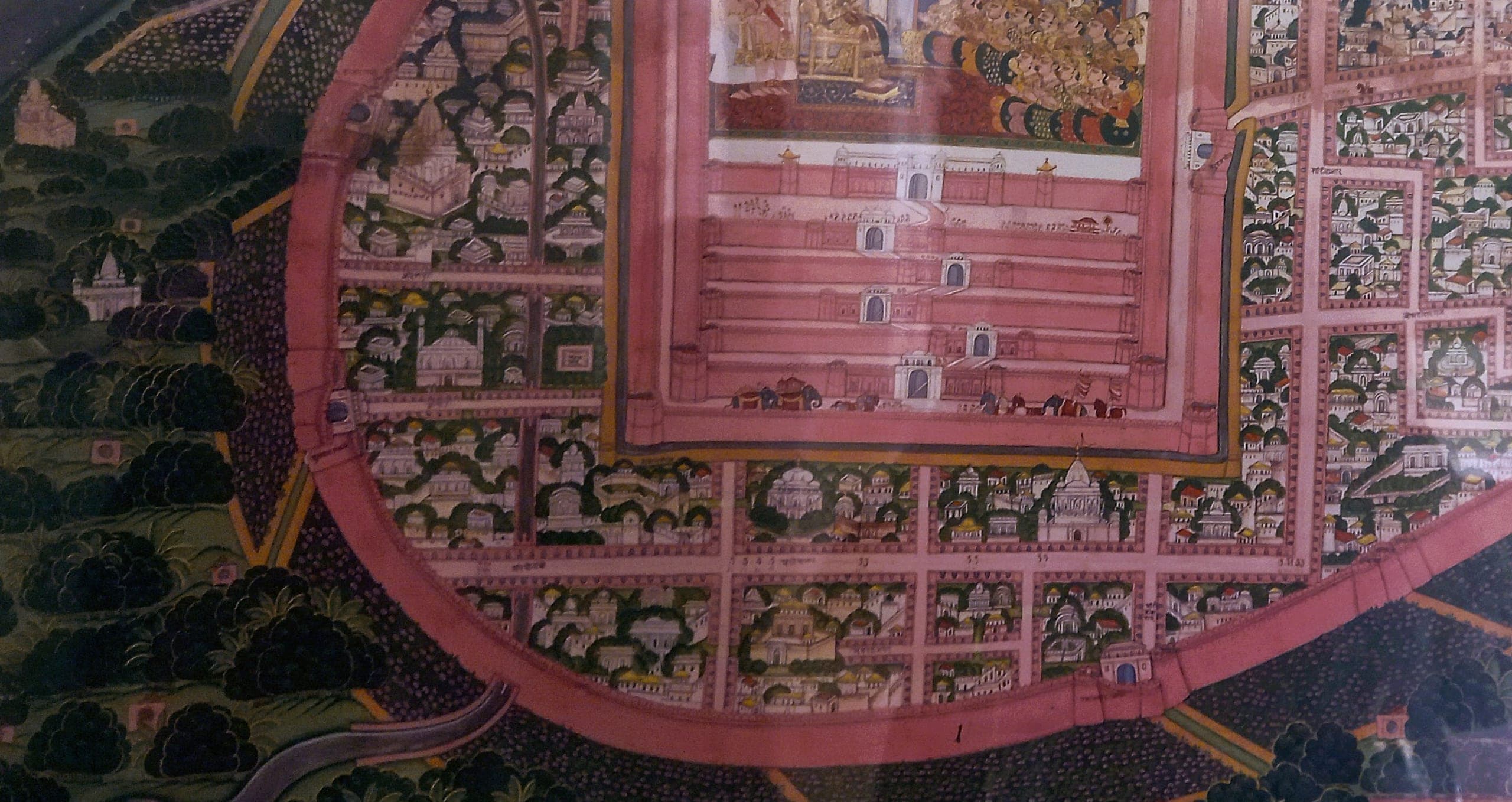
Fourteen centuries ago, as Kanyakubja, Kannauj was the capital of Emperor Harsha — the very emperor to whom the king of Assam sent his gift of agaru.
Deg-bhapka
Kannauj’s perfumers still distil the old way: botanicals are heated with water in a sealed copper deg, and the fragrant vapour travels through a bamboo pipe into a bhapka, a receiving vessel, where it is gathered.
Attar
The traditional Indian perfume oil — rose, vetiver, jasmine, oud, even the scent of rain on earth. Kannauj perfume carries a Geographical Indication protecting its name.
Kuppi
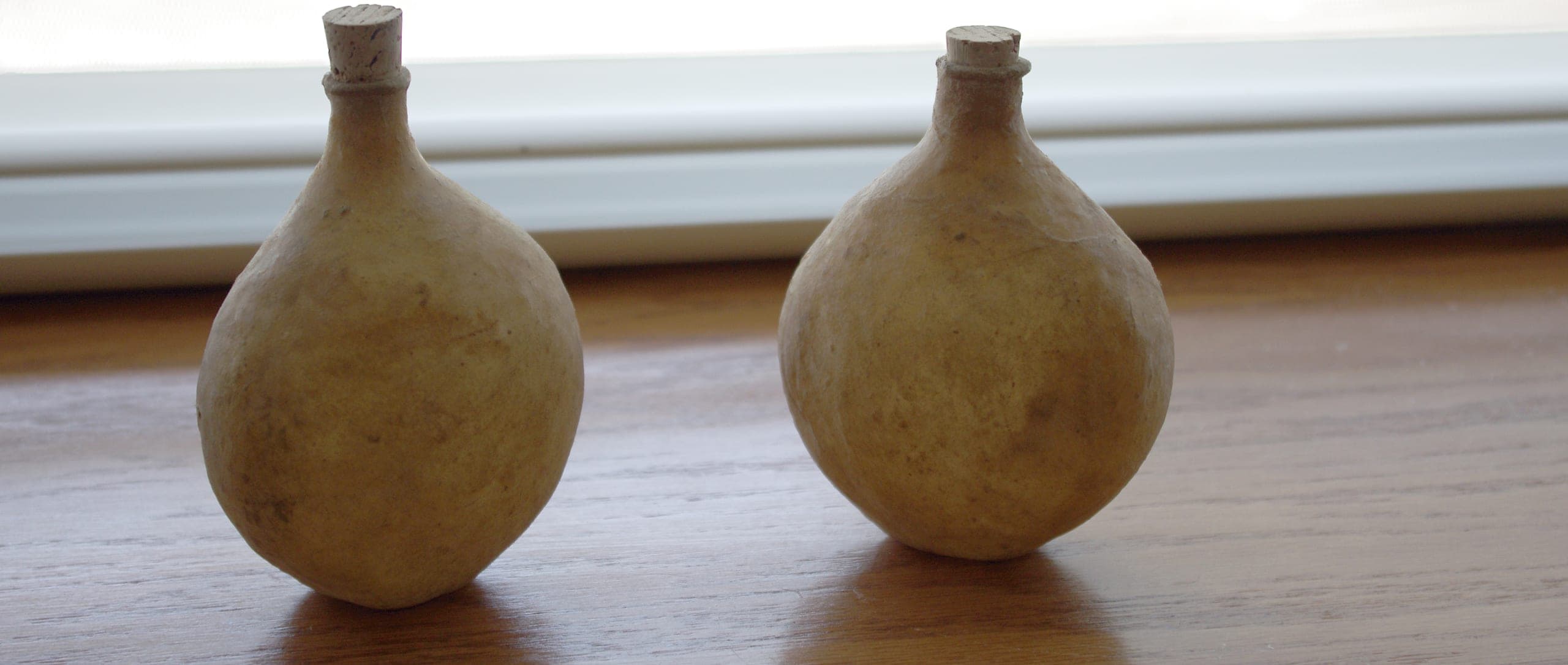
Attar has long been stored in kuppi, flasks of camel leather that draw off moisture as the oil slowly matures.
A history in agarwood
India’s oud has crossed the world for fourteen centuries.
From the court of Kamarupa to the perfumers of Kannauj and the majlis of the Gulf — every date is drawn from the historical record, each illustrated with art of its time.
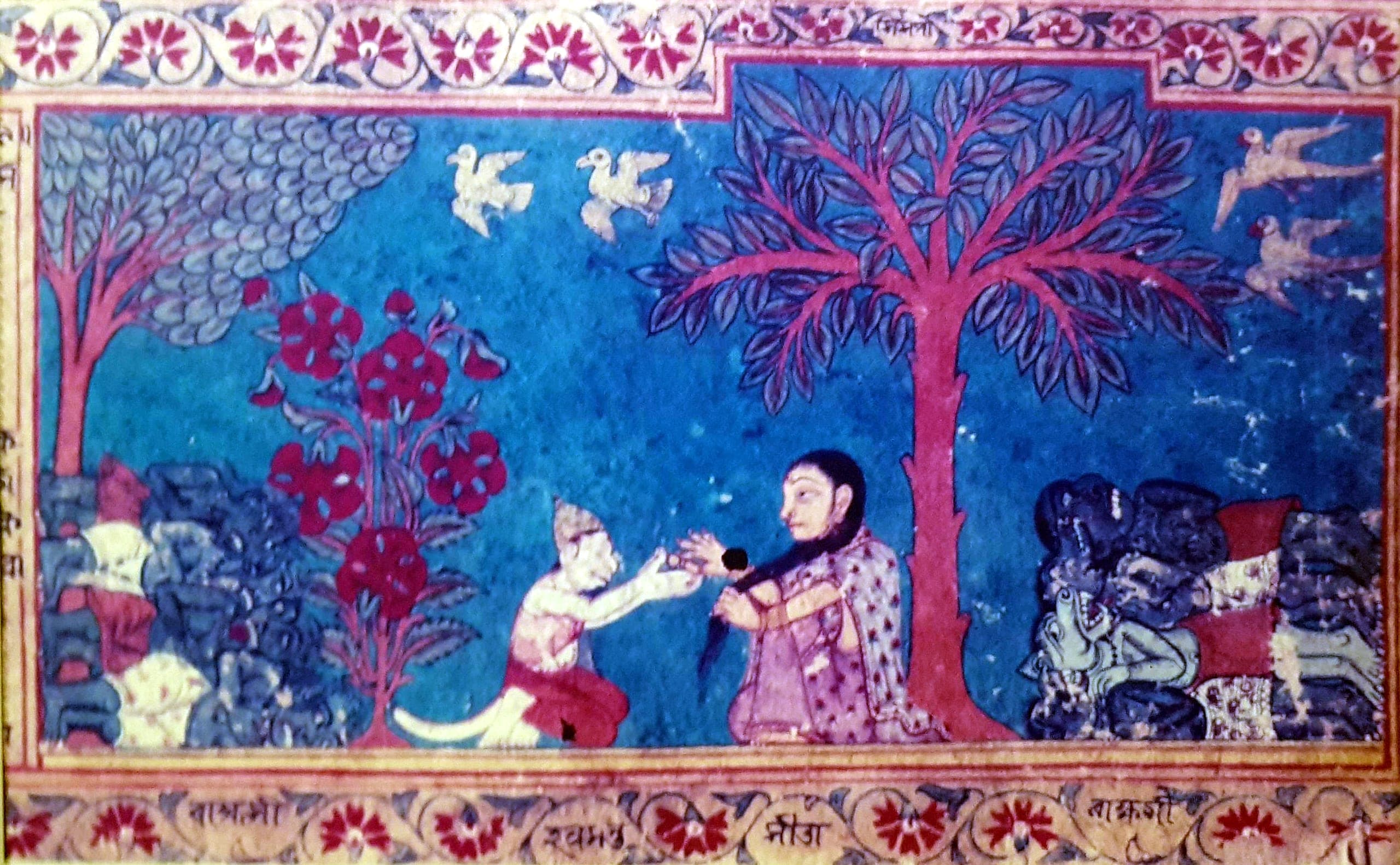
A royal gift from Assam
The poet Banabhatta’s Harshacharita records King Bhaskaravarman of Kamarupa — ancient Assam — sending agaru, agarwood and its fragrant products, among his gifts to Emperor Harsha, whose capital was Kanyakubja: today’s Kannauj.
“The Indian wood”
Arabic writers prized al-ʿūd al-hindī, the Indian wood, above other aromatics. Indian agarwood travelled west by sea to the ports of Arabia and the Gulf.
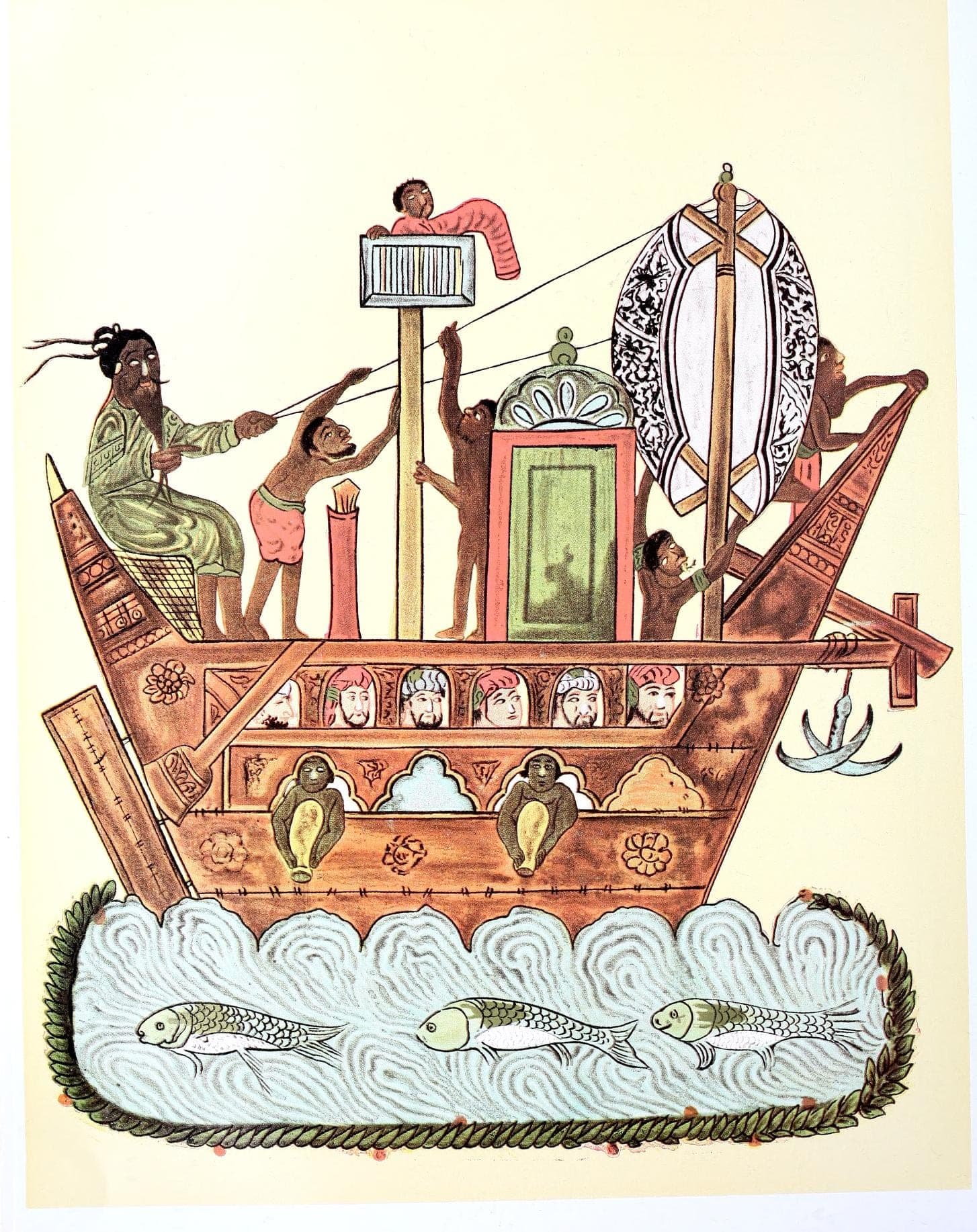
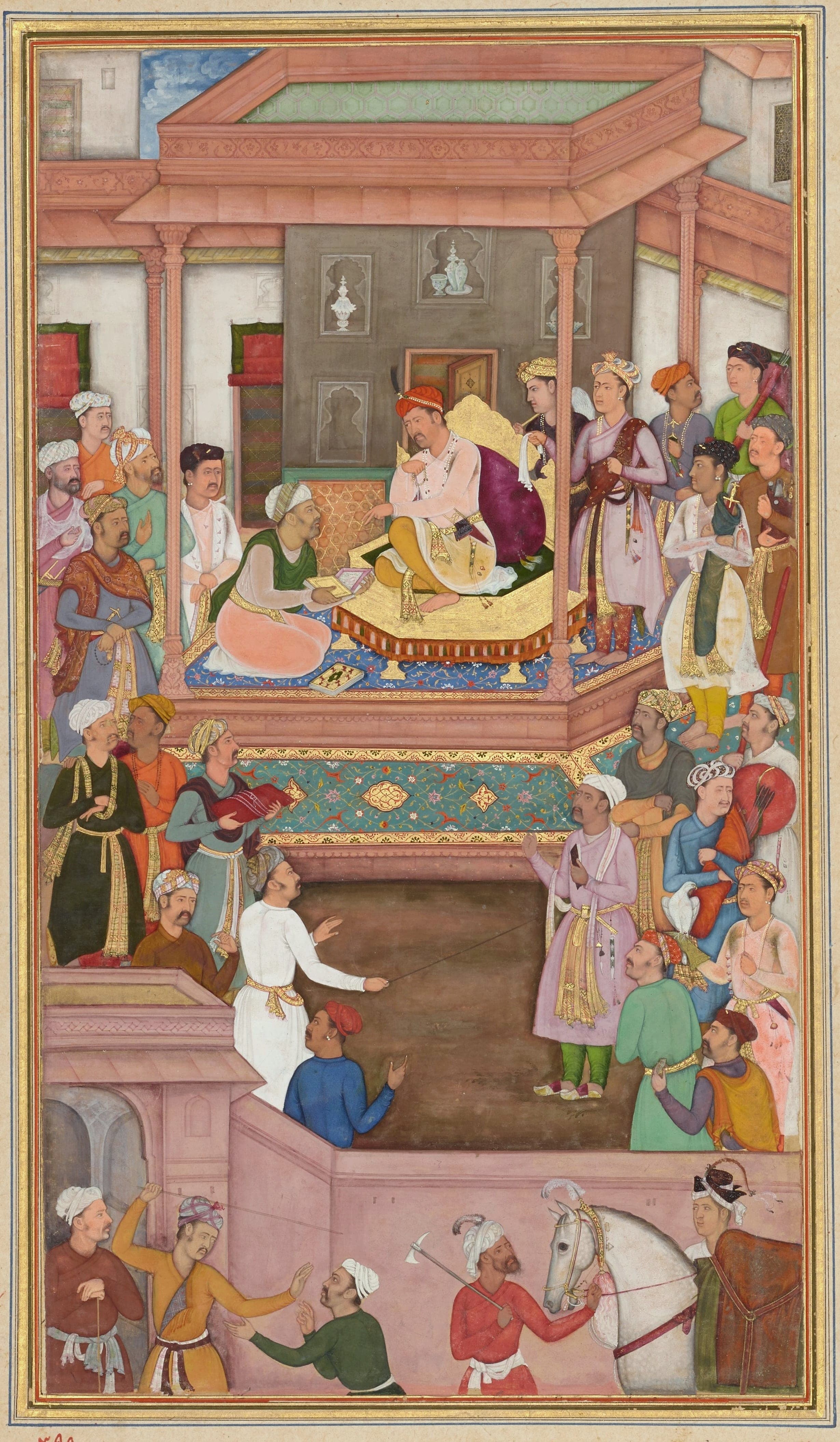
At the Mughal court
Abu’l-Fazl’s Ain-i-Akbari, the chronicle of Emperor Akbar’s court, lists agar among the perfumes used and prized at the court.
Kannauj, city of attar
On the Ganges in Uttar Pradesh, Kannauj became India’s perfume capital, its perfumers distilling attar in copper degs and bamboo pipes — the deg-bhapka method still used today. Kannauj perfume now carries a Geographical Indication.
Hojai and the Gulf
The town of Hojai in Assam grew into one of the great centres of the agarwood trade, its families sending wood and oil to the Gulf for generations.

Protected by CITES
Aquilaria malaccensis, Assam’s agarwood tree, was listed in CITES Appendix II in 1995, and all Aquilaria species in 2004 — international trade now requires permits.
Cultivation recognised
Assam adopted an Agarwood Promotion Policy to support the cultivation and trade of plantation-grown agarwood — the way our own trees are grown.
Shahana Kohinoor
Our oud and bakhoor go from our fields in Assam to Bahrain, the UAE, Qatar, Thailand, Singapore, Germany, Europe and the USA, every batch traceable and certified.
Peace of mind, and fair value
From our field to your hand — and nothing in between.
How most oud reaches you
Grower
Collector
Trader
Distiller
Wholesaler
Brand
You
Every step adds a margin — and a chance for the oil to be diluted or its origin lost.
How ours reaches you
Our fields in Assam
Our harvest & distillation
You
Because we grow and make it ourselves, the price you pay reflects the oud — its grade, its age and its rarity — not a chain of middlemen. And because nothing is bought in, we can show you exactly where your bottle came from.
Trace your bottleWhere you will find us
Roots in India. Reach across the world.

Our roots
Assam, India — our agarwood fields Kannauj, Uttar Pradesh — the art of attarWhere we ship
Kingdom of Bahrain Qatar United Arab Emirates Germany & Europe United States Thailand Singapore and onward, to the worldOur principles
Traceable
Every batch is recorded from our field to your door, and its documents are published.
Certified
Each release travels with its certificates — plantation registration, certificate of origin, phytosanitary certificate, CITES permit and laboratory analysis.
Patient
Resin forms over many years; oil is distilled over days and rested over months. We do not hurry any of it.
Honest
No invented awards and no borrowed statistics. The material, the records and your own nose are the proof.
Ceremonial
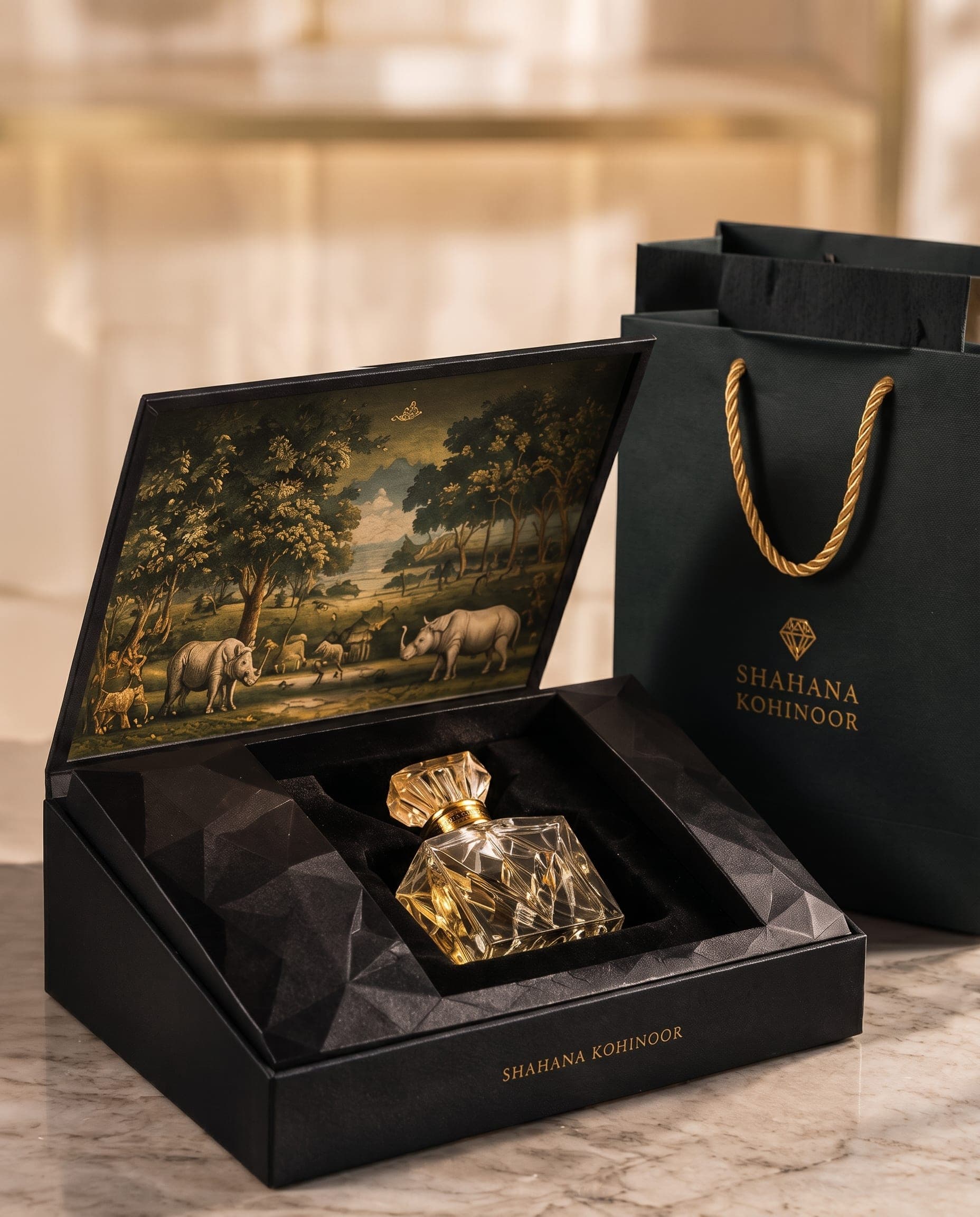
Heavy crystal, velvet, a handwritten card. Oud has always been a gift; we present it as one.
For the Gulf
From our fields to the majlis.
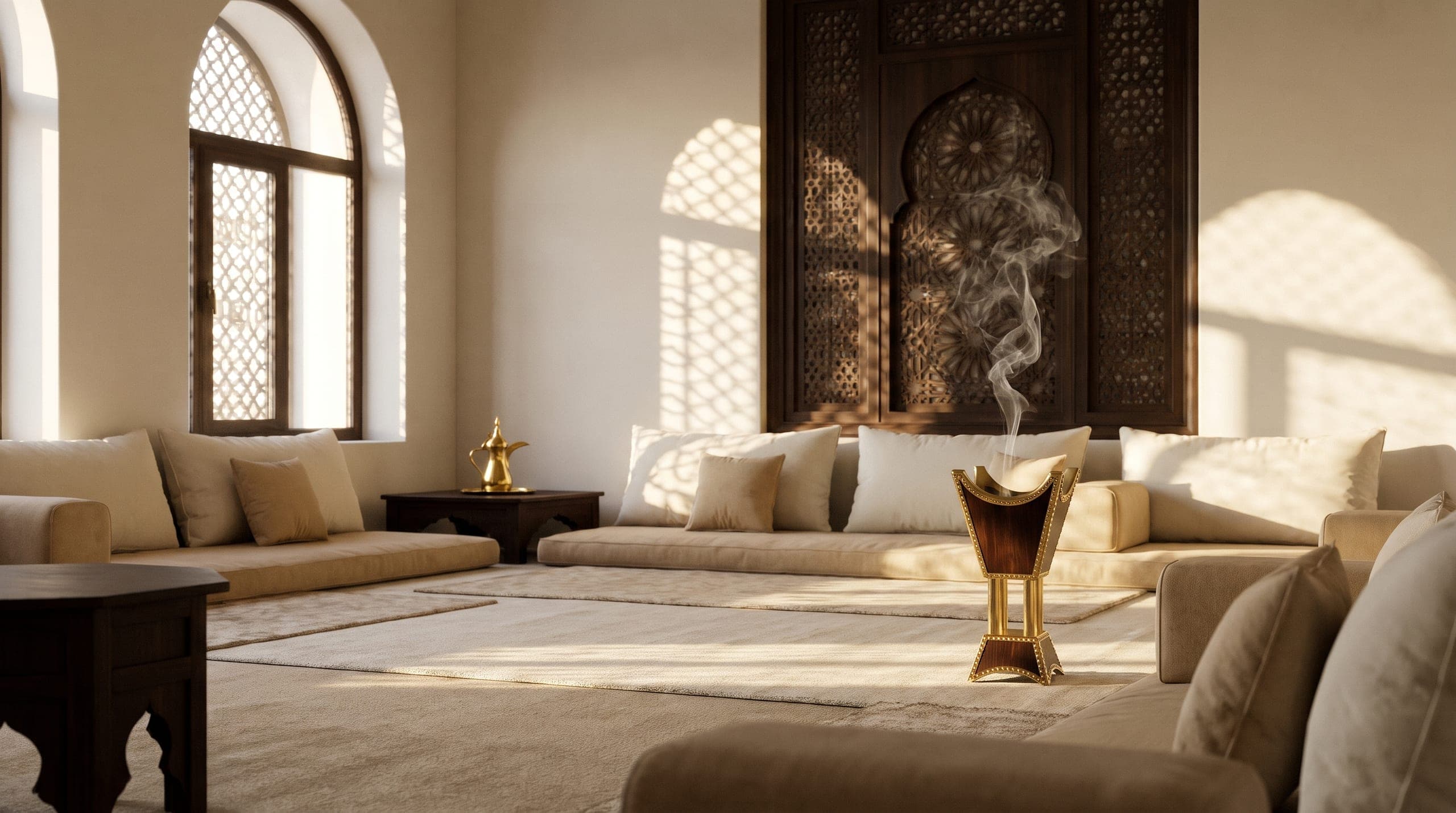
Across the Gulf, oud is part of daily life and every celebration — worn to prayer, burned to welcome guests, given at weddings and Eid. We made Shahana Kohinoor for the people who know it best.